Aromawave Editorial • Business Scenting • Hospitality • Australia
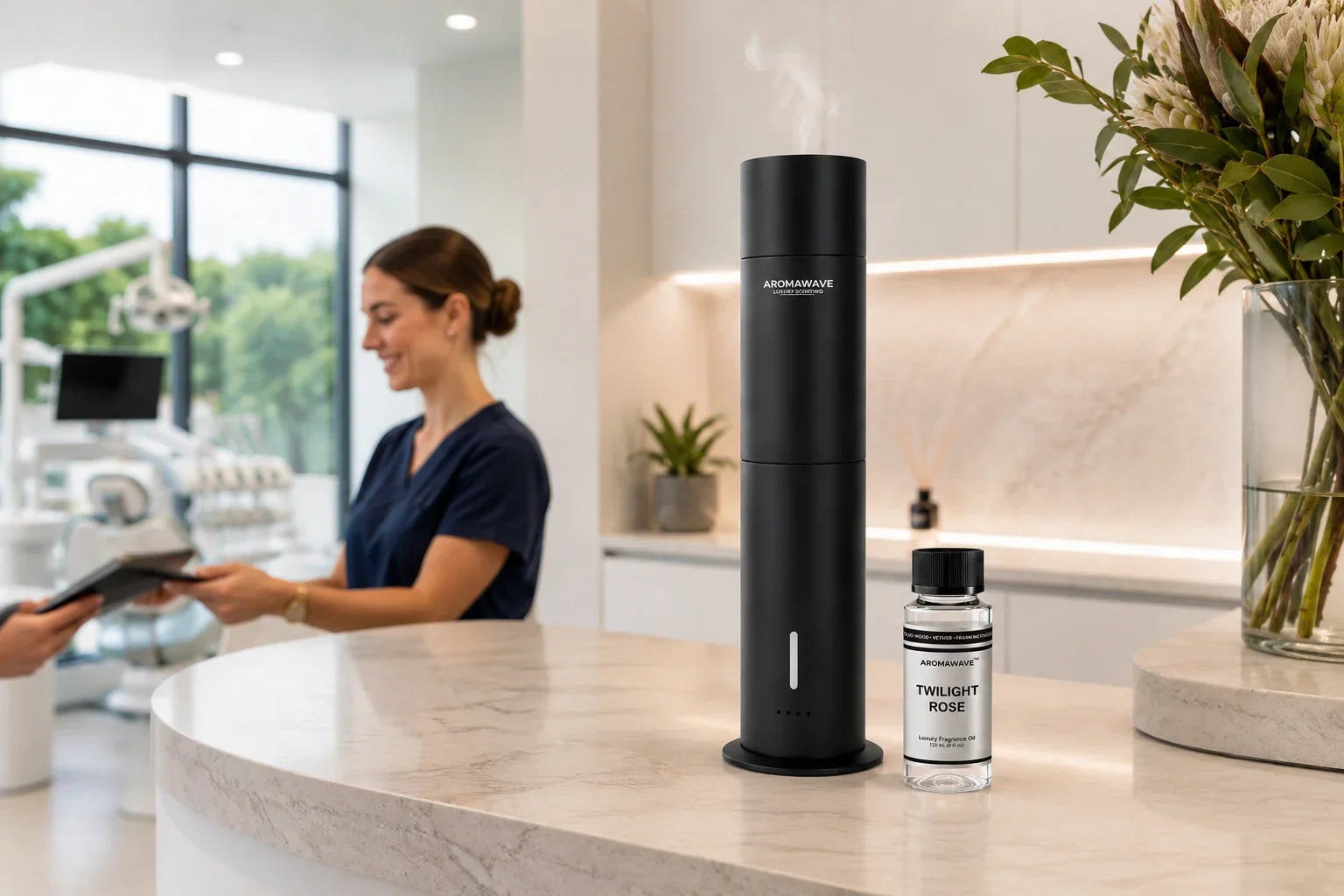
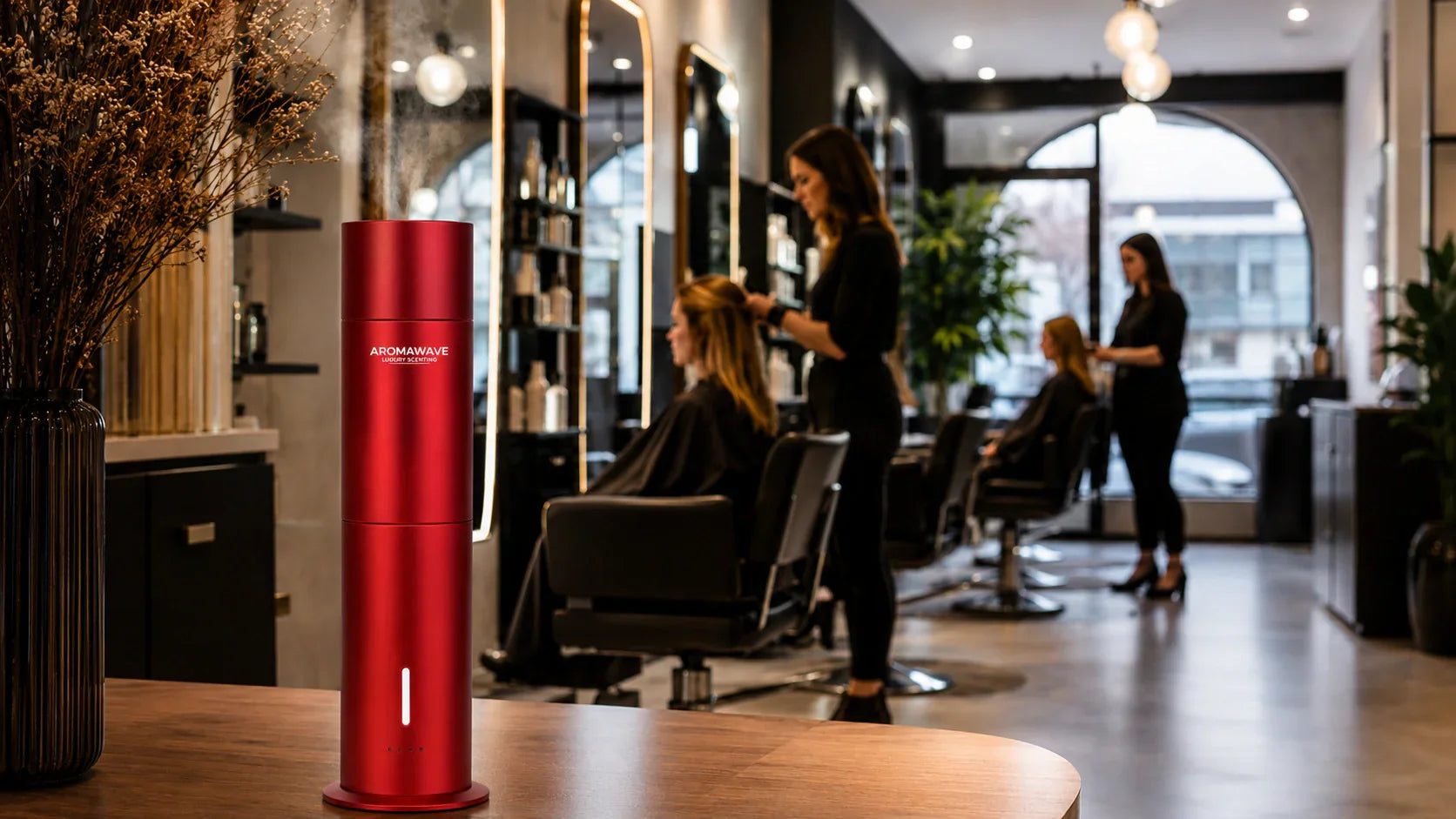
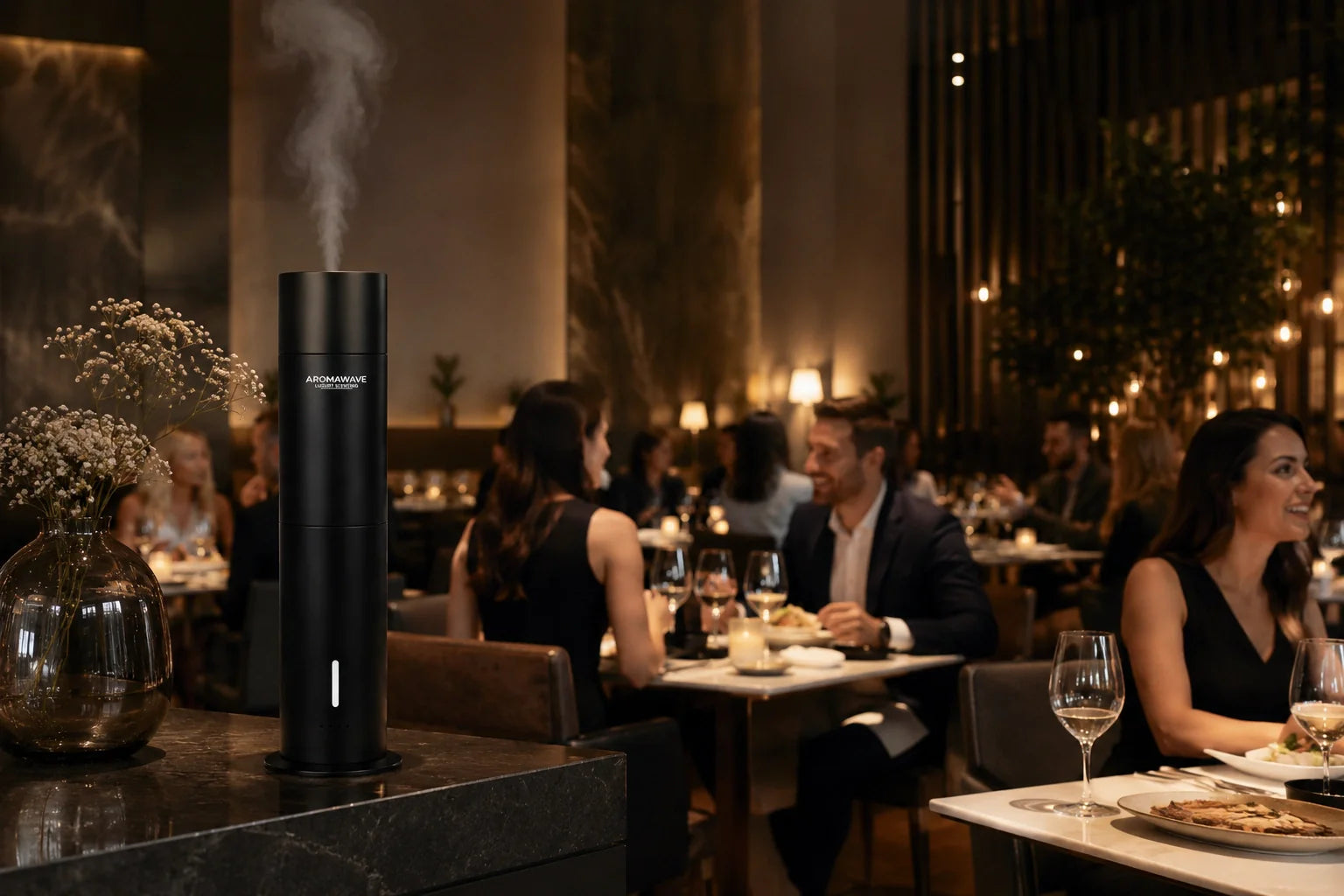
The entrance to a restaurant or cafe sets the tone before the menu arrives, before a seat is offered, before a single word is spoken. A cold air scent diffuser placed at the entry or reception point creates a welcoming atmosphere that sits alongside your food offering, not in competition with it.
For the full guide to business scenting across all Australian commercial spaces, that guide covers every venue type. ABN 70 681 300 363. Aromawave.
Aromawave fragrance oils are designed for ambient fragrance enjoyment only. No health, therapeutic, or medical benefit is claimed or implied. Fragrance descriptions on this page refer to scent notes and profiles only.
The atmosphere challenge every Australian restaurant and cafe faces
A restaurant's scent environment is more complex than almost any other commercial space. The kitchen produces powerful food aromas that are a natural part of the dining experience and genuinely appealing in context. But those same smells, encountered at the entrance or in the bathroom, without the framing of a meal in progress, can read as stale cooking oil, grease, or reheated food. That first impression, formed in the two seconds before a guest is acknowledged at the door, is much harder to undo than it is to get right from the start.
The goal of scenting a restaurant or cafe is not to introduce a competing fragrance to the food. It is to create a baseline ambient atmosphere at the non-food zones of the venue: the entrance, the host area, the bar, the lounge, the bathroom corridor. Done correctly, the scent registers as a pleasant, professional environment rather than as a recognisable fragrance at all. For the full guide to commercial scenting across all Australian business types, that covers every venue type and the broader approach. The restaurant-specific guidance below focuses on what is different about a dining environment.
Why cold air diffusion suits a hospitality environment
The requirements of a functioning restaurant or cafe are demanding from a scenting technology perspective. Candles are a fire risk in a busy kitchen environment and cannot be managed remotely. Aerosol room sprays introduce synthetic propellants that are inappropriate near food preparation areas. Reed diffusers are passive, inconsistent, and typically insufficient for a venue with active foot traffic and air movement from kitchen extraction. Ultrasonic humidifier-style diffusers use water and produce a visible mist that is not appropriate near food or service areas.
Cold air diffusion uses pressurised air to break fragrance oil into a dry, ultra-fine mist. There is no water, no heat, no aerosol propellant, and nothing visible. The mist disperses into the air and evaporates without settling on surfaces, food, crockery, or glassware. For the full explanation of why a waterless system matters in a commercial environment, the waterless scent diffuser guide covers the technology in detail. And for the residue question specifically relevant to a venue with clean linen, polished glasses, and food surfaces, the residue guide confirms there is no residue left on any surface.
Where to place the diffuser in a restaurant or cafe
Placement is the most important single decision in a hospitality scenting setup. The principle is straightforward: scent the non-food zones. The dining table is not a scenting target. The kitchen pass is not a scenting target. The strategic zones are the entrance and reception point, the bar and lounge area, and the corridor approach to bathrooms. For the broader guide to fragrance placement across different room types and commercial spaces, the scenting by room guide covers placement principles in detail.
Which fragrance profiles work in a dining environment
A restaurant or cafe has specific requirements for fragrance profile selection that differ from a retail store, salon, or office. The key rule is that the fragrance should never compete with or conflict with the aromas of the food being served. Light, clean, and neutral profiles work. Heavy orientals, intense florals, and assertively spiced profiles do not. For the full decision framework on selecting a fragrance oil for a specific space, the fragrance oil selection guide covers every consideration. And for the full overview of the Aromawave Hotel Inspired range, the Hotel Inspired collection guide covers all 19 profiles.
The profiles that work consistently well in hospitality entrance and bar zones share a few qualities. They are fresh and clean rather than sweet or heavy. They have a positive neutral association that does not evoke any specific food category. And they project subtly at level 1, registering as a pleasant atmosphere rather than as a detectable fragrance note at the dining table. The fragrance oil 101 guide explains how different fragrance families project at different intensity levels, which is directly relevant to getting the hospitality balance right.
The practical rule for restaurant scenting: if a guest at the dining table can clearly identify the fragrance, the intensity is too high or the placement is too close to the dining zone. The diffuser should be noticeable at the entrance and imperceptible from a seated dining position. Level 1 in the entry zone, scheduled off during kitchen-heavy prep windows, is the starting point for most Australian restaurants and cafes.
What to avoid in a restaurant or cafe setting
Heavy fragrance profiles and high intensity settings are the two most common mistakes in hospitality scenting. A powerful oriental or intensely floral fragrance running at level 3 near the dining zone is worse than no fragrance at all. It signals a venue that has prioritised a scenting initiative over the dining experience, which is not the message any Australian restaurant owner wants to send. Keep the profile clean and the intensity low. And for the safety questions relevant to any commercial environment, including what cold air diffusion means for air quality in an enclosed venue, the safety guide covers the full picture.
On the fragrance oil itself, the oil formulation guide covers what Aromawave oils contain and what they do not. All Aromawave fragrance oils are phthalate-free, paraben-free, vegan, and formulated to IFRA compliant guidelines. They are designed for ambient fragrance use only. No health or therapeutic benefit is claimed or implied. For the full guide to how long a bottle lasts at different intensity levels and room sizes, the oil duration guide covers every combination. And for the coverage calculation for your specific entry or bar zone, the coverage guide explains how the 100m² rating works in practice.
It is also worth noting what this approach is not. Enterprise scenting companies target large restaurant groups and hospitality chains with HVAC-integrated contracts, account managers, and multi-year rental agreements. That model is not designed for an independent Australian restaurant or cafe owner who needs a solution today, for a reasonable one-off cost, that they can manage themselves. The Aromawave approach described in the clinic scenting guide and this one is the same: buy once, use immediately, no ongoing contract. For the broader view of all commercial scenting contexts, the cold air diffuser guide covers the technology and its commercial applications.


Yes, when placed in the right zones. A cold air diffuser works well in the entrance, bar, lounge, and bathroom corridor areas of a restaurant or cafe. It should not be placed near food service areas or dining tables. Cold air diffusion leaves no residue on surfaces, produces no visible mist, uses no aerosol propellant, and runs quietly at low intensity. The Aromawave Ultra Pro Scent Diffuser and Wireless Ultra Smart Scent Diffuser both suit a hospitality environment at level 1 to 2 in the non-food zones.
The entrance and host station is the primary placement for any restaurant or cafe. Secondary zones include the bar, lounge area, and bathroom corridor. Do not place the diffuser in the main dining area or near food service points. Keep it at least 3 to 4 metres from dining tables. The fragrance should be perceptible at the entrance and imperceptible from a seated dining position. One device at level 1 to 2 covers the entry and lounge zone of most Australian restaurants and cafes up to 100m².
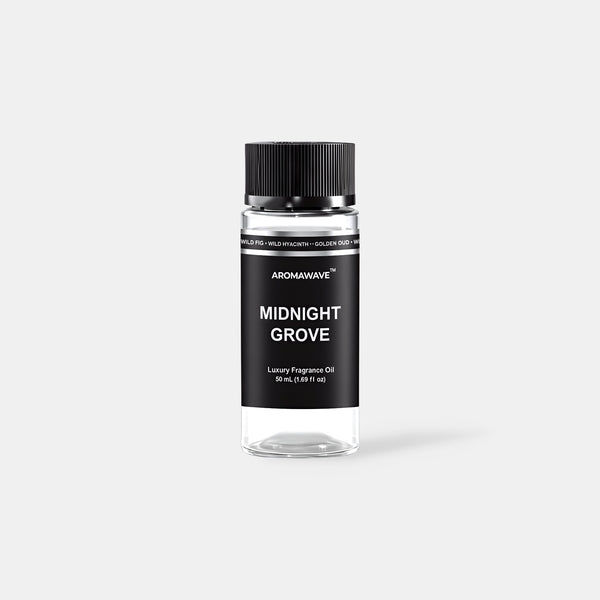
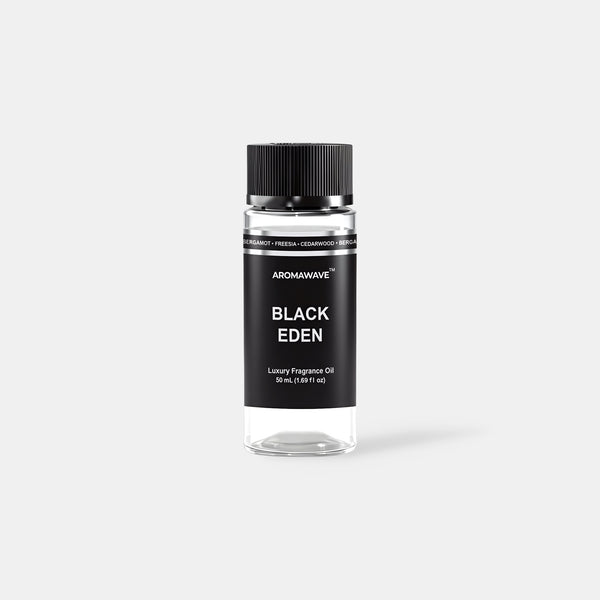
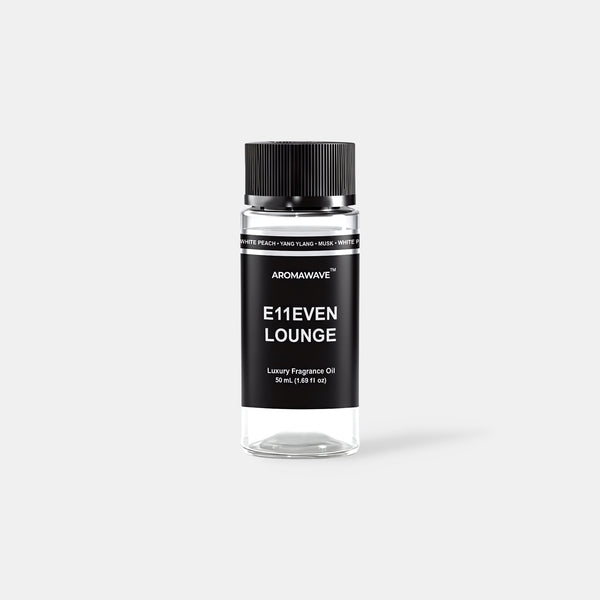
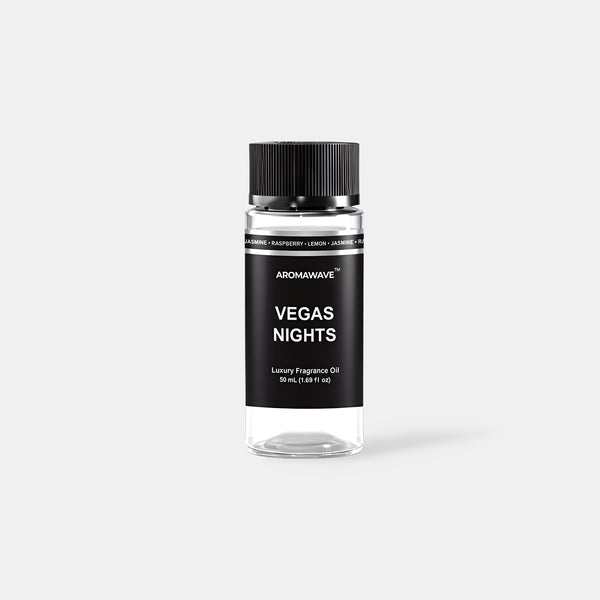
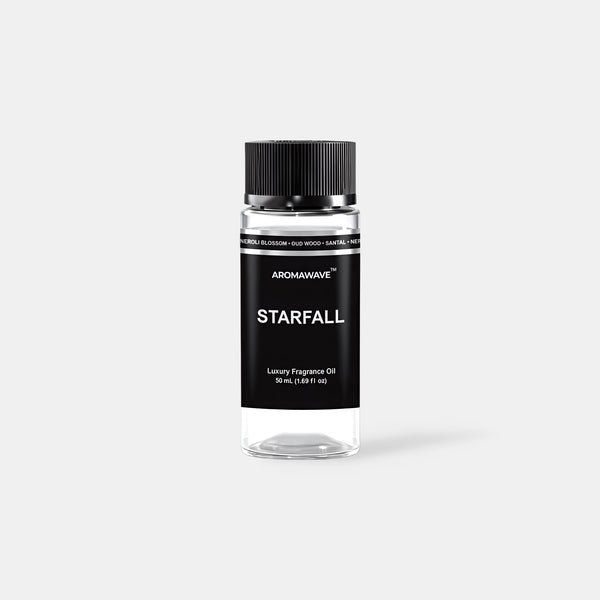
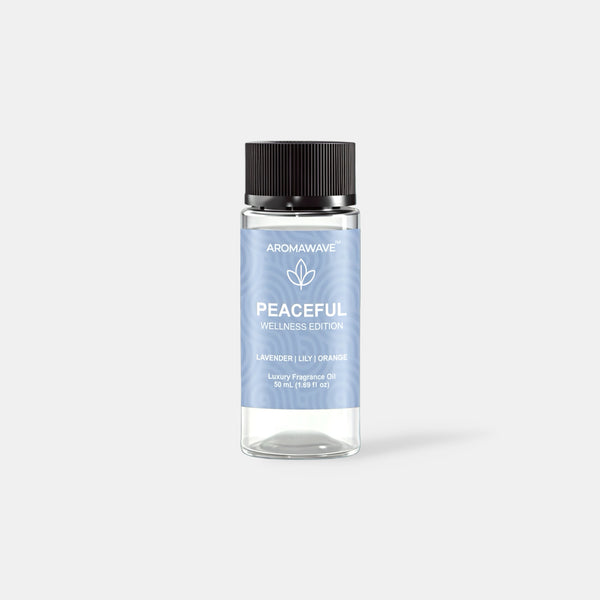
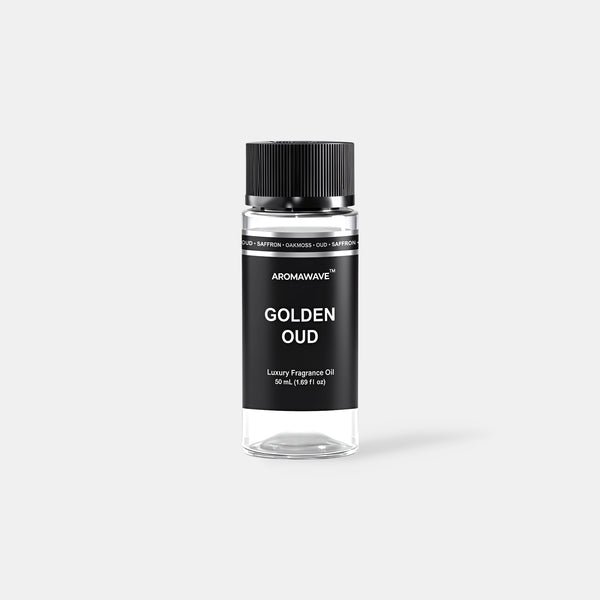
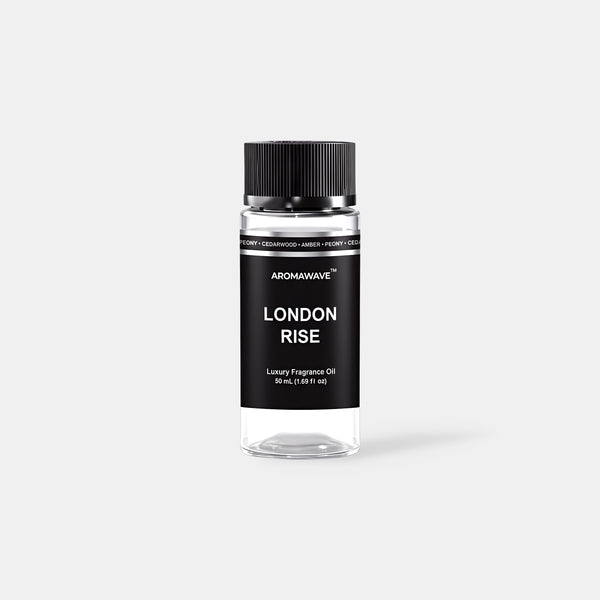
Clean, fresh, and neutral profiles work best. From the Aromawave Hotel Inspired range, Black Eden (Bergamot, Freesia, Cedarwood) and Midnight Grove (Wild Fig, Wild Hyacinth, Golden Oud) both suit an upscale dining entrance at level 1. E11even Lounge (White Peach, Ylang Ylang, Musk) works well in a bar zone. For a lighter cafe environment, Zen (Mandarin, Green Tea, White Musk) or Grand Lobby (White Tea, Fig, Musk) from the Hotel Inspired range are clean and professionally neutral. Avoid heavy orientals and assertively spiced profiles near dining zones.
Not when placed correctly. Cold air diffusion at level 1 in the entrance or bar zone produces a background fragrance concentration that is not detectable from the dining table. The key is placement: keep the diffuser at least 3 to 4 metres from food service areas, run it at level 1, and choose a clean, neutral profile. Aromawave fragrance oils are designed for ambient fragrance use only. No interaction with food quality, taste, or aroma is claimed or implied.
Both the Aromawave Ultra Pro Scent Diffuser and Wireless Ultra Smart Scent Diffuser connect to the Aromawave app via Bluetooth. You can set the diffuser to turn on 30 minutes before opening service, run at level 1 during service hours, and switch off automatically after close. If your venue runs both lunch and dinner service with a break in between, you can schedule accordingly. No manual adjustment is needed during service.
Level 1 is the right starting point for a restaurant entrance or bar zone covering up to 60m². Level 2 suits a larger entry or lounge area up to 100m². Do not run level 3 or above in a hospitality environment. The goal is a background atmosphere at the entry, not a noticeable fragrance at the table. Start at level 1, walk through the venue after 20 minutes, and assess from the dining table position. If you can detect the fragrance from a seated position, reduce the intensity or adjust the diffuser placement.
The upfront cost is $199 for the Ultra Pro Scent Diffuser (wired) or $249 for the Wireless Ultra Smart Scent Diffuser (cordless rechargeable). At level 1 in a standard restaurant entry zone, a 50ml fragrance oil ($52.99) lasts approximately 3 to 5 months. This works out to roughly $10 to $17 per month in oil costs after the device purchase. There are no contracts, no rental fees, and no minimum oil orders. Free tracked Australia Post delivery on orders over $99. ABN 70 681 300 363.
Yes. The Wireless Ultra Smart Scent Diffuser is cordless and rechargeable, which makes it well suited to a bar counter or host station without trailing cables. It covers up to 100m² on a single charge and connects to the Aromawave app via Bluetooth for scheduling and intensity control. The same unit works at a reception point in the morning, at the bar counter for evening service, and can be repositioned between zones without needing to locate it near a power point.
Aromawave is an Australian luxury fragrance brand specialising in hotel-inspired fragrance oils and cold air diffuser technology for Australian homes, offices and vehicles.
Ultra Pro Scent Diffuser $199 (was $299) • Wireless Ultra Smart Scent Diffuser $249 (was $349)
Fragrance oils from $29.99 • Phthalate-free • IFRA compliant • Vegan
Free tracked delivery on orders over $99 • Australia Post • 30-day returns • Aromawave
Free AU shipping on orders over $99 • 30-day returns • 12-month warranty • ABN 70 681 300 363
Aromawave™ is an independent brand and is neither affiliated with, authorised by, nor endorsed by any hotel, perfume brand, fragrance house, or their respective affiliates. Any third-party brand names are referenced solely for descriptive and comparative purposes to indicate fragrance inspiration, and all trademarks remain the exclusive property of their respective owners. Aromawave fragrance oils are designed for ambient fragrance use in any environment only. No health, therapeutic, or medical benefit is claimed or implied.